Kiwanis’s Gift of Hope and School Kits—A Data-Informed Commitment to Children
As a volunteer of Kiwanis Club of Lubao Gems, I observe from both field experience and educational research how basic interventions—like giving school kits—make measurable differences. Let me share what our recent service projects reveal, grounded in evidence and human stories.
Bridging Gaps in Lubao and Nabuclod
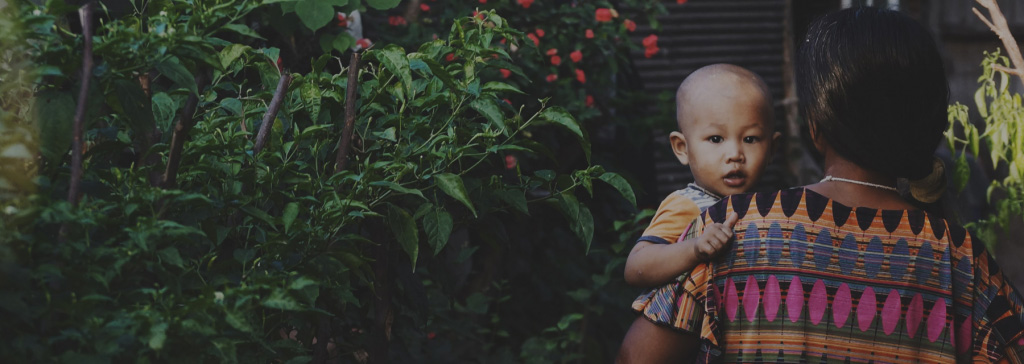
Since December 2019, our Gift of Hope initiative has served the indigenous Aeta community in Nabuclod, Pampanga, distributing grocery packs, Jollibee meals, school supplies, hygiene kits, and slippers to over 600 students. In 2021–22, we donated 40 ukuleles to introduce music education, sustained since by dedicated music teachers. Each December, the project continues to empower and uplift.
Parallelly from October 2024, we launched the Gift of School Kits project under President Merly B. Sevilla, delivering school supplies to 100 students each at San Isidro, San Rafael Baruya, Santiago, and Lauc Pao Elementary Schools in Lubao, and an additional 607 Aeta students at Nabuclod Elementary via partnership with Alexis Louise Quiza Children’s Foundation (ALQCF).
Why These Interventions Matter: Research Insight
Recent studies affirm the value of such interventions:
A report by the Black Pencil Project highlights that providing free basic school supplies substantially reduces absenteeism and late enrollment in Filipino “last‑mile” schools.
A longitudinal UNICEF-supported study shows that underserved schools can perform well—even with limited resources—if supported by community efforts and basic resource provision.
Globally, education research reveals a positive correlation between consistent school attendance and academic achievement. One study in Uganda determined that regular attendance improves performance, though other factors also play essential roles.
Taken together, these studies validate Kiwanis’s approach: providing the essentials to children fosters attendance, engagement, and a sense of dignity to learn.
Impact: More Than Supplies
Based on our experience and research-backed understanding:
Attendance improves: Students with proper supplies are more likely to attend regularly and participate actively in class.
Family support increases: Parents report relief and confidence when their children can come prepared.
Learning readiness grows: Having tools like notebooks, pencils, hygiene kits and slippers lowers barriers to education.
Cultural enrichment through music: The ukulele project nurtures creativity, self‑expression, and emotional well-being—important complements to academic learning.
Acknowledging Our Partners
Our sustained impact relies on partnerships:
ALQCF’s six-year trust in Gift of Hope has enabled us to consistently serve the Aeta children.
OB Guitars provided ukuleles to extend music education.
School administrators and teachers in Nabuclod and Lubao schools enable smooth coordination of distribution and lessons.
Club members, volunteers, friends and families invest time, resources, and heartfelt effort.
Looking Ahead: A Call for Continued Support
Our projects align with the broader Kiwanis mission of Serving the children of the world. Educational research underscores that materials, consistent meals, and attendance-support interventions yield measurable benefits—but they require sustained funding and collaboration.
We invite ALQCF, donors, volunteers, and members to continue partnering with us in the next coming terms—to expand school kit distributions, enrich music and arts education, and strengthen community resilience.
Final Thoughts
Our service is more than distribution—it is evidence-informed, empathy-driven, and community rooted. The combination of nutrients, educational supplies, hygiene care, and cultural enrichment helps uplift indigenous and underserved children toward brighter futures.
We remain committed to serving alongside local partners, educators, and caring donors. Together, we write success stories—one kit, one meal, one ukulele at a time.

Leave a Comment
Last Updated: December 29, 2025 by mvanes
Kiwanis’s Gift of Hope and School Kits—A Data-Informed Commitment to Children
As a volunteer of Kiwanis Club of Lubao Gems, I observe from both field experience and educational research how basic interventions—like giving school kits—make measurable differences. Let me share what our recent service projects reveal, grounded in evidence and human stories.
Bridging Gaps in Lubao and Nabuclod
Since December 2019, our Gift of Hope initiative has served the indigenous Aeta community in Nabuclod, Pampanga, distributing grocery packs, Jollibee meals, school supplies, hygiene kits, and slippers to over 600 students. In 2021–22, we donated 40 ukuleles to introduce music education, sustained since by dedicated music teachers. Each December, the project continues to empower and uplift.
Parallelly from October 2024, we launched the Gift of School Kits project under President Merly B. Sevilla, delivering school supplies to 100 students each at San Isidro, San Rafael Baruya, Santiago, and Lauc Pao Elementary Schools in Lubao, and an additional 607 Aeta students at Nabuclod Elementary via partnership with Alexis Louise Quiza Children’s Foundation (ALQCF).
Why These Interventions Matter: Research Insight
Recent studies affirm the value of such interventions:
Taken together, these studies validate Kiwanis’s approach: providing the essentials to children fosters attendance, engagement, and a sense of dignity to learn.
Impact: More Than Supplies
Based on our experience and research-backed understanding:
Acknowledging Our Partners
Our sustained impact relies on partnerships:
Looking Ahead: A Call for Continued Support
Our projects align with the broader Kiwanis mission of Serving the children of the world. Educational research underscores that materials, consistent meals, and attendance-support interventions yield measurable benefits—but they require sustained funding and collaboration.
We invite ALQCF, donors, volunteers, and members to continue partnering with us in the next coming terms—to expand school kit distributions, enrich music and arts education, and strengthen community resilience.
Final Thoughts
Our service is more than distribution—it is evidence-informed, empathy-driven, and community rooted. The combination of nutrients, educational supplies, hygiene care, and cultural enrichment helps uplift indigenous and underserved children toward brighter futures.
We remain committed to serving alongside local partners, educators, and caring donors. Together, we write success stories—one kit, one meal, one ukulele at a time.
Category: Blog Post Tags: black Pencil project, Bridging Gaps, Commitment to Children, Continued Support
Latest Blogs
Archive